
AI Automation in Underwriting: From Weeks to Minutes
Submission triage, risk appetite matching and automated quoting are turning underwriting into a near-real-time function.
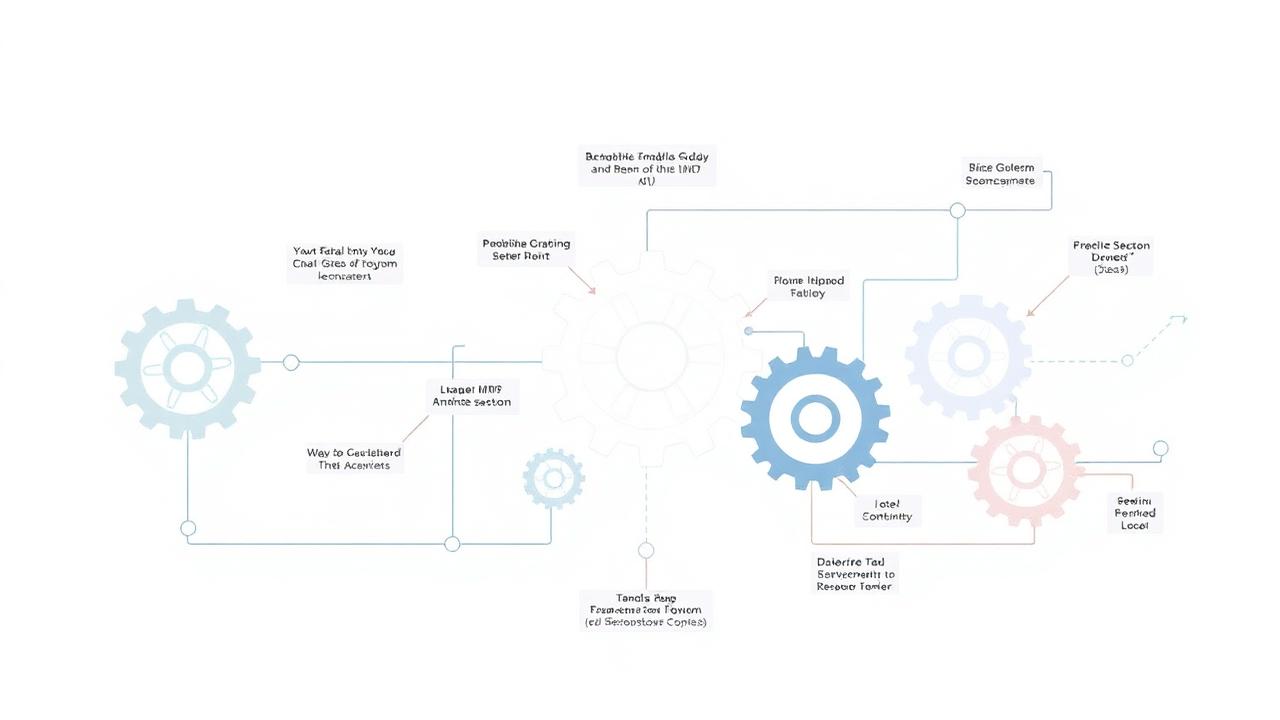
Underwriting is where insurers earn their margin — and where the most painful manual work still lives. AI automation is finally collapsing this work, especially in commercial lines where every submission used to require hours of intake before a single risk decision could be made.
The new AI underwriting stack
Submission ingestion
AI extracts data from broker emails, ACORD forms, loss runs and SOVs into a clean, structured submission record.
Risk appetite matching
Models score each submission against the carrier's appetite, declining or routing in seconds rather than days.
Pricing and binding
For in-appetite small commercial business, AI generates an indicated price and quote letter that the underwriter simply reviews and releases.
Impact
- Quote turnaround time reduced from 5–10 days to under 1 hour for small commercial.
- Underwriter capacity increased 30–50% on existing books.
- Hit ratios improve as quotes reach brokers ahead of competitors.
What slows carriers down
Legacy policy admin systems and unstructured broker submissions remain the biggest blockers. Successful programs invest in data infrastructure before — not after — buying AI.
Key takeaways
- AI underwriting compresses cycle times from weeks to minutes.
- Submission ingestion and appetite matching are the biggest unlocks.
- Data quality is the prerequisite, not an afterthought.
Continue learning on InsurAI Buzz
- AI Voice Agents in Insurance 2026: How Conversational AI Is Rebuilding the Contact Center — Insurance Chatbots
- Small Language Models in Insurance 2026: Why Carriers Are Moving Beyond Frontier LLMs — AI Tools & Software
- Parametric Insurance and AI in 2026: How Instant Payouts Are Reshaping Climate and Catastrophe Coverage — Future of Insurance AI
Authoritative sources & further reading
Frequently asked questions
Is AI replacing underwriters?
No — it is removing administrative work and letting underwriters focus on judgment, broker relationships and complex risks.
Which lines benefit most?
Small commercial, personal lines and specialty programs see the fastest payback. Large complex risks remain heavily human-led.
Stay ahead of AI in insurance
Subscribe for weekly analysis trusted by underwriters, claims leaders and insurtech founders.
Subscribe freeRelated reading

AI Copilots for Insurance Agents in 2026: How Generative AI Is Rebuilding the Front Office
Generative AI copilots are quietly rewriting the front office of insurance. From quoting and underwriting prep to renewals, compliance and customer service, here is the complete 2026 guide to how AI copilots are reshaping insurance agents, brokers and call centers — and what to do about it.